How to pack for a weekend trip with only a small backpack
· Editorial team newyorknewsdaily24.com
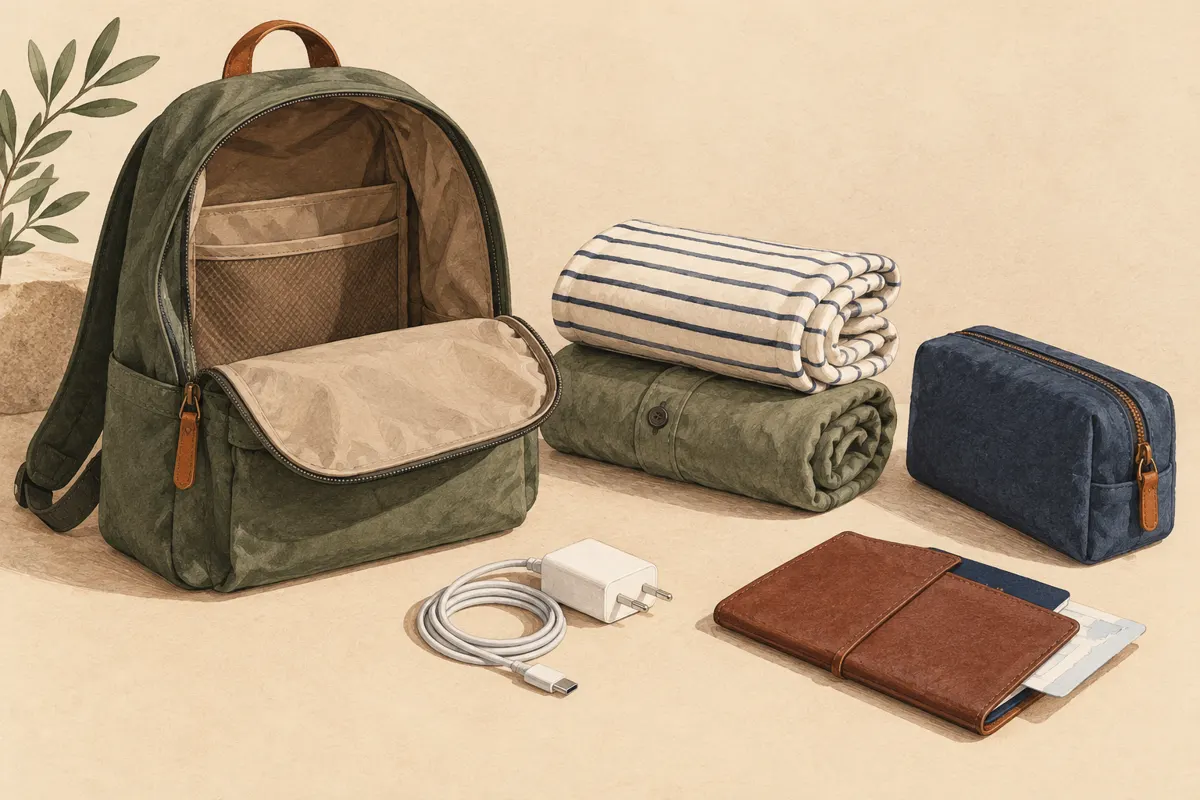
To pack for a weekend in a small backpack, wear your bulkiest clothes, choose pieces you can reuse, and bring only the toiletries and electronics you will actually need. Keep documents and travel essentials within easy reach. For a two-night trip, start with the packing proposal below, then adjust it to your weather, activities, and personal needs.
Start with your actual weekend plans
Before filling the backpack, list what you will do from departure to return. Walking around a city, attending a formal dinner, and swimming each create different packing needs. Check the forecast and identify any activity that requires a specific item. A swimsuit for a planned swim earns its space; an extra outfit with no planned use is a candidate to leave behind.
Lay everything on a bed or clear floor, including what you will wear during travel. Separate essentials from optional extras before anything goes into the bag. If you are flying, check your carrier’s baggage specifications against the backpack you intend to use.
Build several outfits from a few pieces
Choose tops that work with the same pants or shorts, plus a layer suited to the forecast. Think through each day’s outfit using those pieces. Wear your bulkier shoes and outer layer during travel, and aim to use the same comfortable shoes throughout the weekend.
- Two tops that both match your travel-day bottoms.
- One spare pair of pants or shorts if your activities require it.
- Fresh underwear and socks for each remaining day, with a spare pair if needed.
- One lightweight sleepwear set.
- One weather-appropriate layer, packed or worn.
- One activity-specific item, such as swimwear, if it is part of your plans.
Treat this proposal as a starting point. If a dinner requires smarter clothing, choose a top and bottoms that also work during the day. Add another pair of shoes only when your planned activities demand them. Do not count on rewearing something that is likely to get wet or dirty.
Keep toiletries and electronics compact
Pack your daily hygiene basics in a small pouch: toothbrush, toothpaste, deodorant, and the skin or hair products you need. Include sunscreen as appropriate, necessary medications, and personal essentials such as contact lens supplies. Keep enough space for these before adding optional comfort items.
- Use small containers for products you need in modest quantities.
- Close bottle lids securely and contain potential leaks in a resealable bag.
- Leave out grooming tools and products you will not use during the weekend.
- Pack your phone and its charger; add headphones, a power bank, or an adapter only when needed.
- Bring a laptop, camera, or tablet only if it has a clear role in your plans.
Pack for access and comfortable carrying
Give each category a consistent place. A small pouch can keep charging cables together, while a packing cube can group clothing if you already have one. Roll soft casual clothes into compact bundles and fold items that need more care. Include a lightweight bag to separate worn clothing from clean pieces.
- Place clothes and sleepwear you will not need in transit toward the bottom.
- Position heavier items near the middle and close to your back, keeping the load balanced.
- Put your toiletry pouch where you can remove it without unpacking everything.
- Keep ID, wallet, tickets, and booking details in a secure, accessible pocket.
- Place frequently used items, such as headphones or a snack, near the top.
Do a final fit check before leaving
Close the backpack without forcing the zipper, put it on, and walk around briefly. Check for awkward pressure or shifting contents. Then retrieve your wallet, phone, and travel documents: if reaching them requires emptying the bag, rearrange the pockets now.
If the backpack feels overfilled, remove optional items first: spare shoes, duplicate electronics, extra toiletries, and clothes without a planned use. Keep essential documents, medications, and clothing needed for the conditions. Leave a little room so you can repack worn clothes and loose items for the journey home without a struggle.